Choosing a Marine Heater
The right marine heater depends less on what's available and more on how you plan to use the boat. Four systems dominate marine heating, each with a real tradeoff profile.
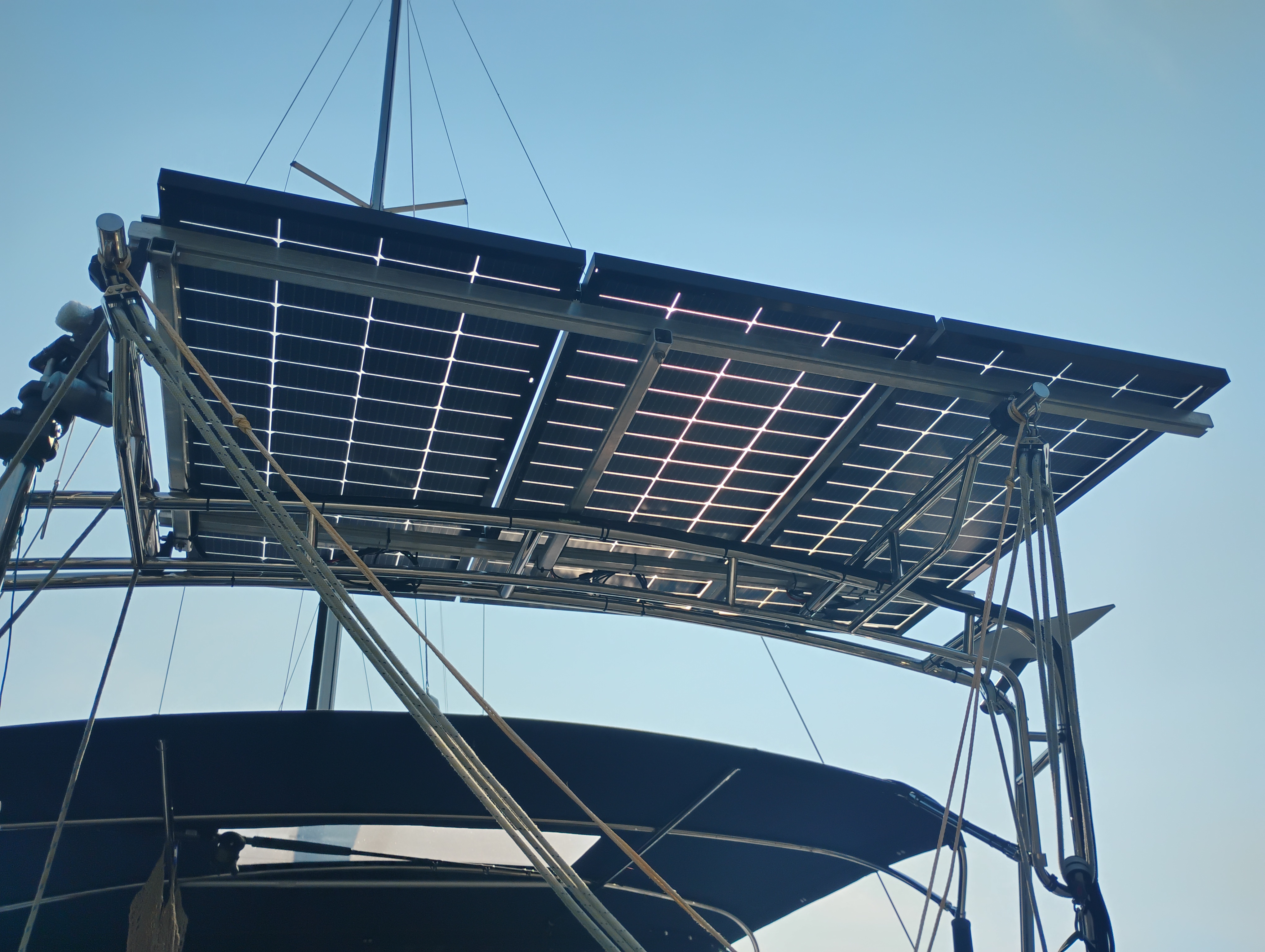
Don't Put All Your Solar Panels in One Place
On a yacht, single-location arrays look clean in the brochure — until your boom shadow eats half the panel at 2pm.
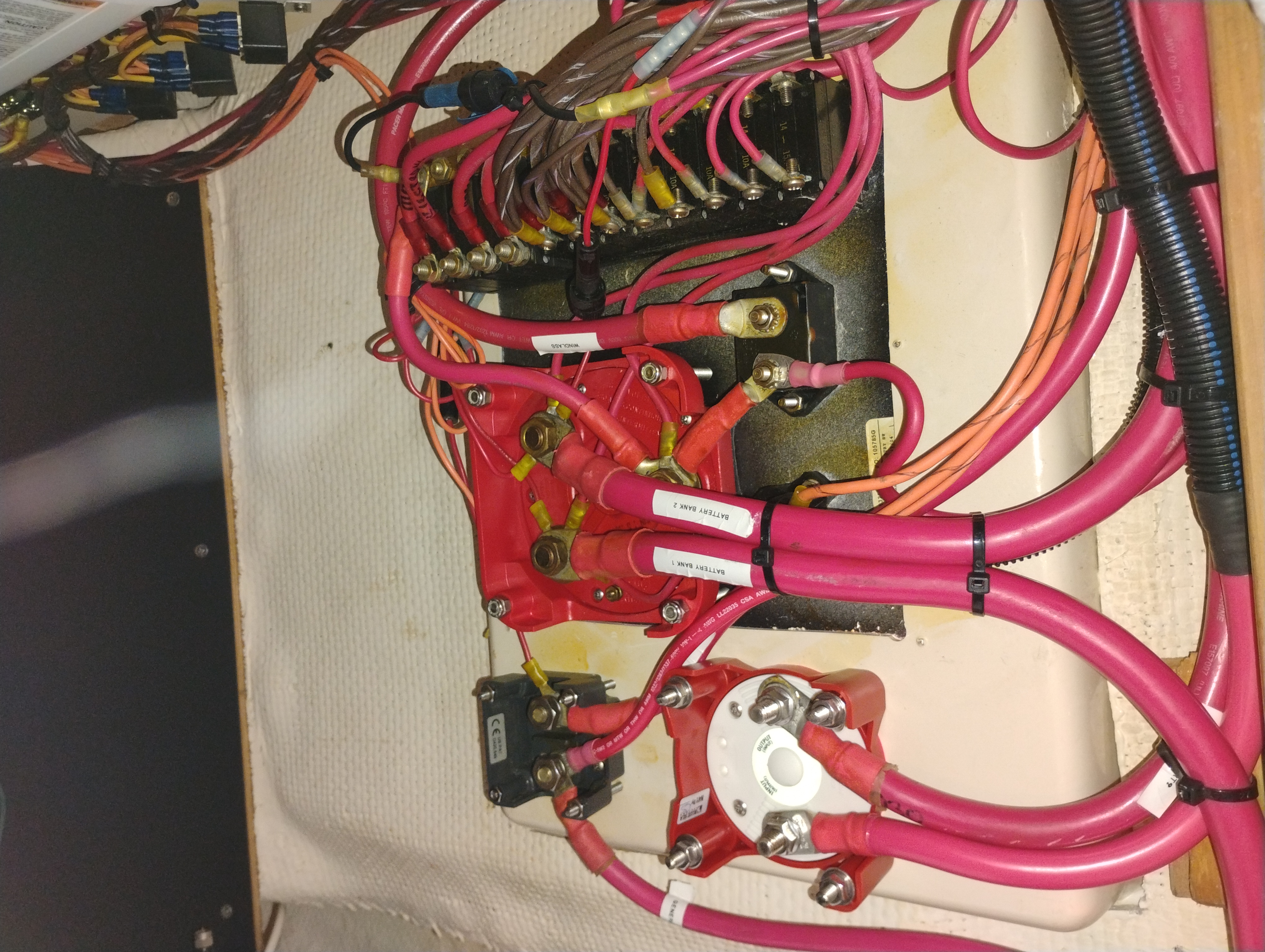
The Connection That “Looked Fine”
The most expensive electrical work on a boat is the connection that 'looked fine.' Three things separate marine-grade work from 'it works for now.'
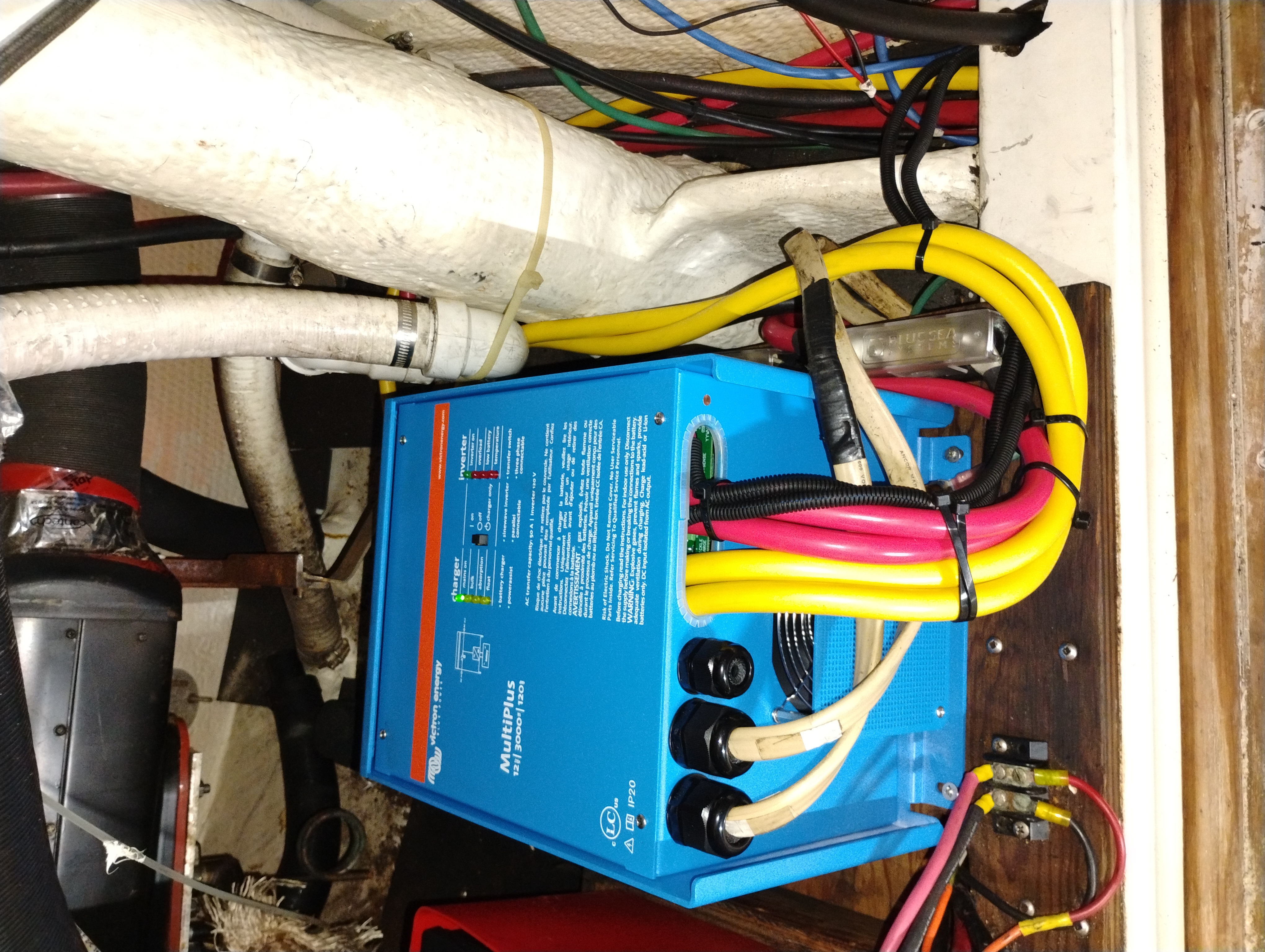
Inverter Sizing — What “3000W” Actually Means
A 3000W inverter on a 200Ah battery bank gives you 90 minutes of runtime, not 'all day.' Inverter sizing is the easy part — matching the rest of the system is the hard part.
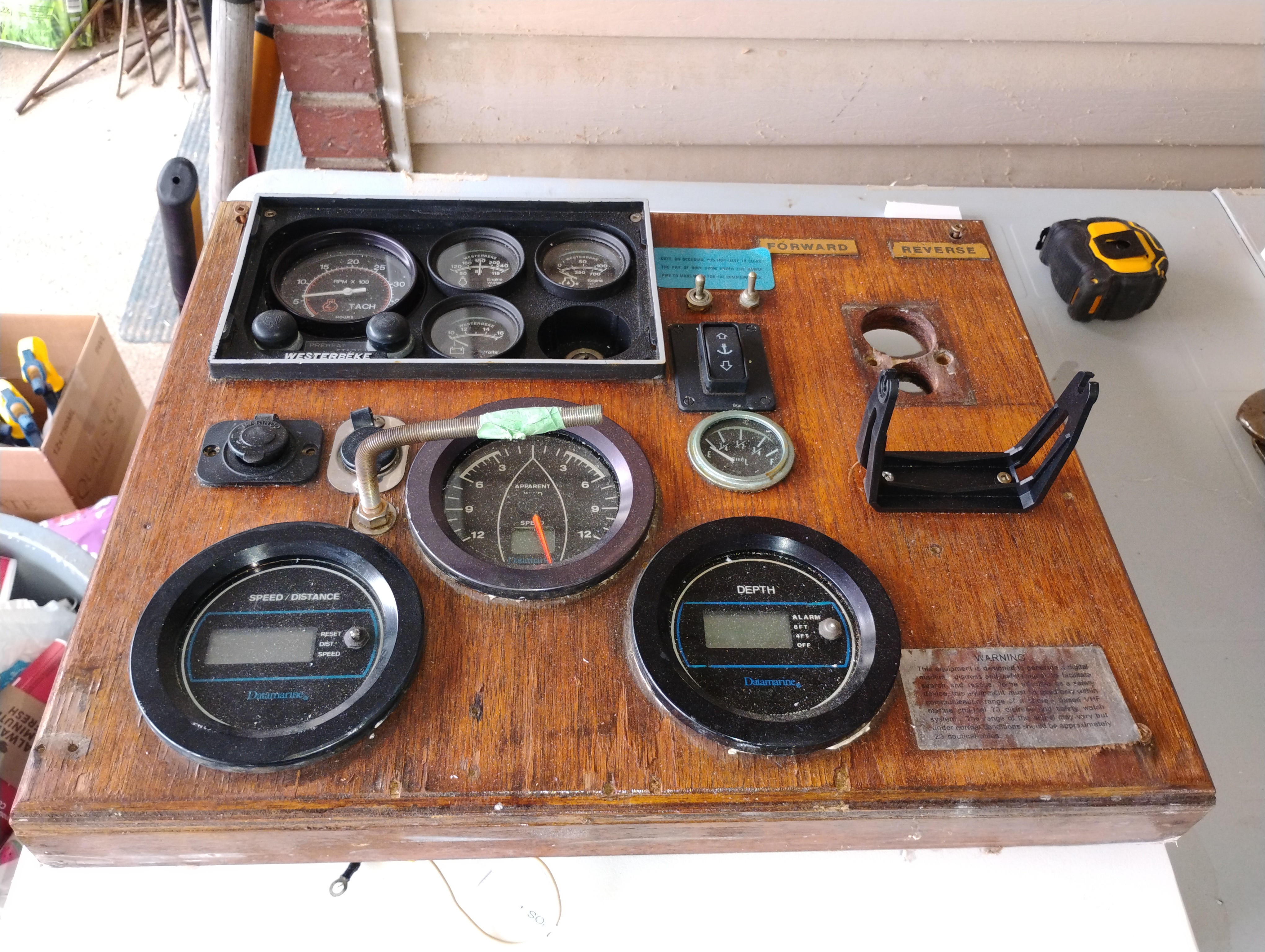
The Real Cost of Helm Work
The most expensive part of helm work isn't the parts — it's getting to them. A second hour spent at the helm during an upgrade saves four hours across the next two seasons.
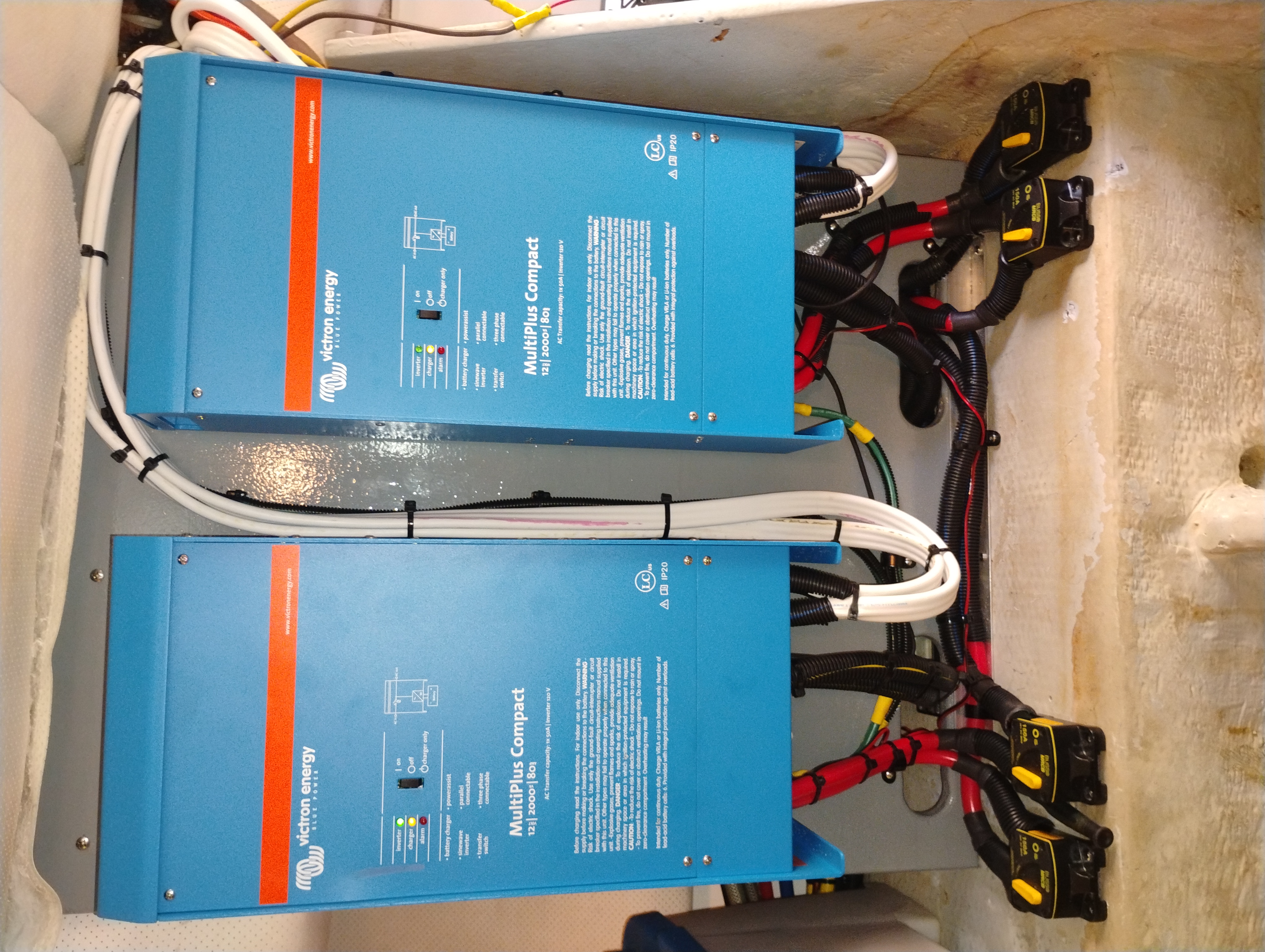
Multi-Source AC Without Frying the Boat
The fastest way to fry a boat is feeding two AC sources into the same bus without isolation. Code (ABYC E-11, CSA C22) requires clean separation.
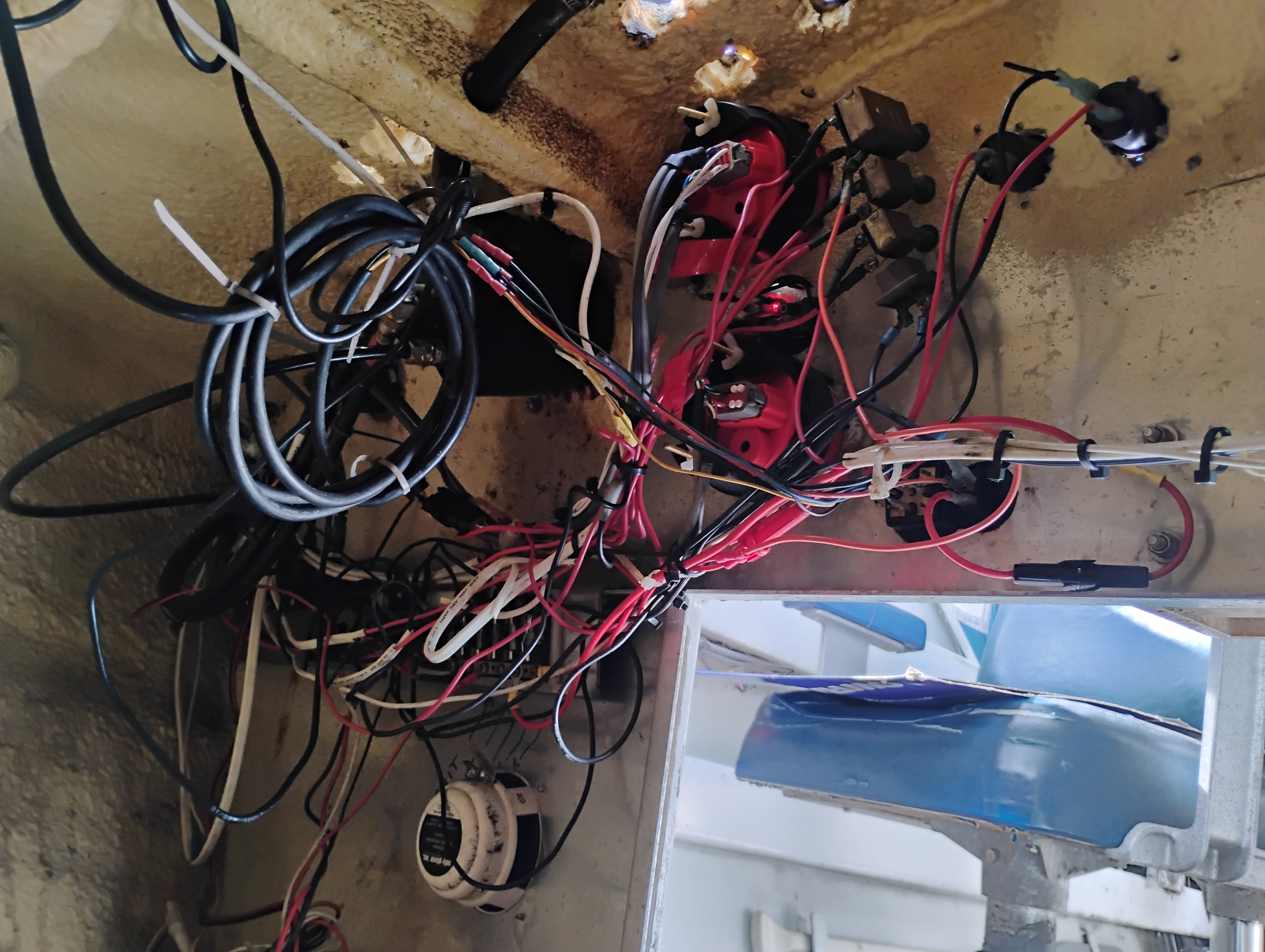
Older Yacht? Audit the DC Distribution First
About 85% of breakdowns at sea trace to DC electrical issues, not engine failures. On an older yacht, the first system to audit isn't the engine — it's DC distribution.
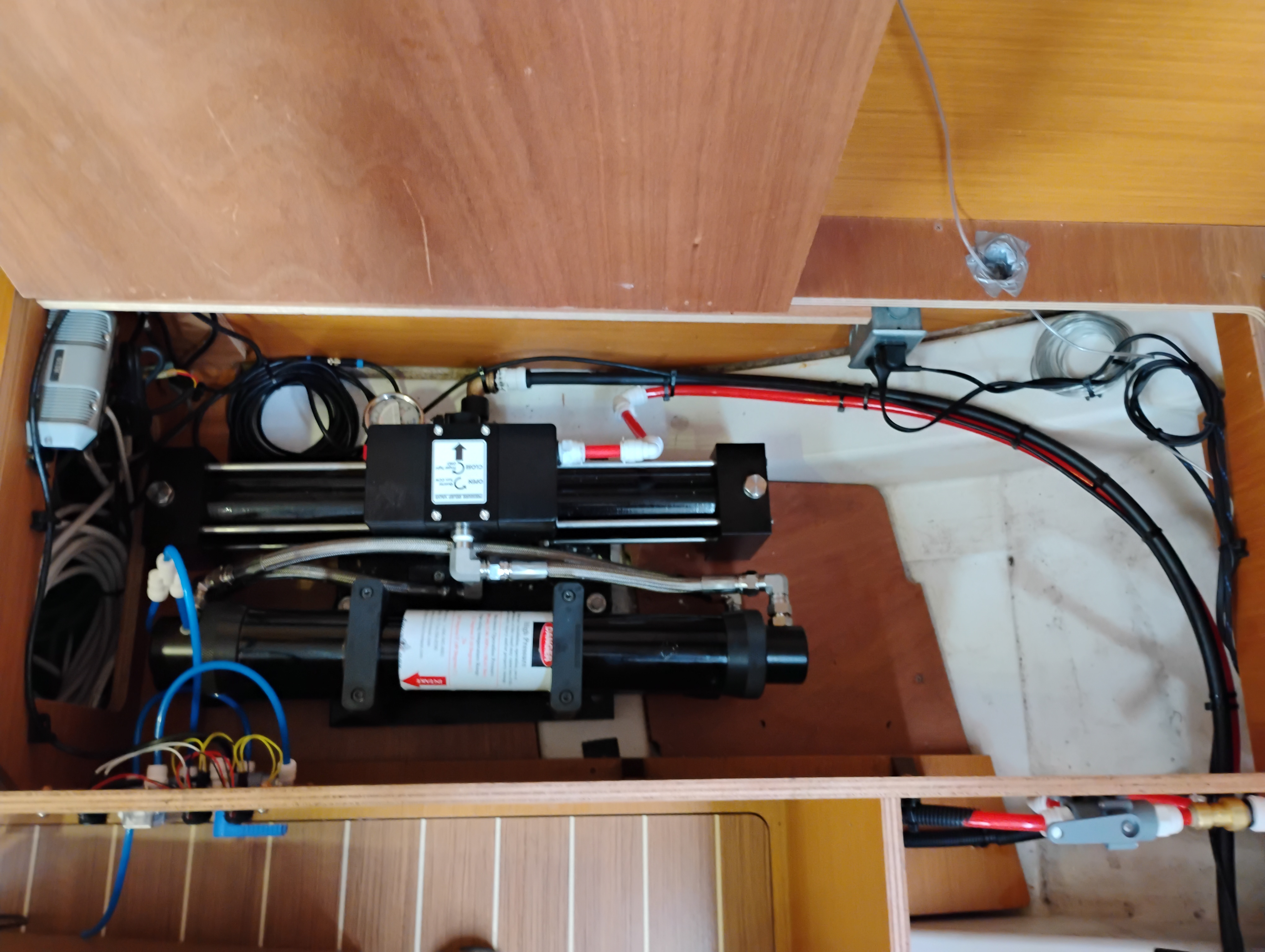
A Watermaker Install Touches Half the Boat
A marine watermaker isn't a box you bolt to a bulkhead and plug in. A proper install touches the hull, the DC system, the freshwater plumbing, and the monitoring stack.