The most expensive part of helm work isn't the parts — it's getting to them.
Pulling a console out, dropping the headliner, fishing wires through bulkheads — that's the setup cost on every helm job. Doing it once costs the same as doing it three times.
So when you're already opening the dash to swap a chartplotter, the question isn't “what else needs doing now,” it's “what will I regret not doing while I'm here.”
The bundling list that pays back:
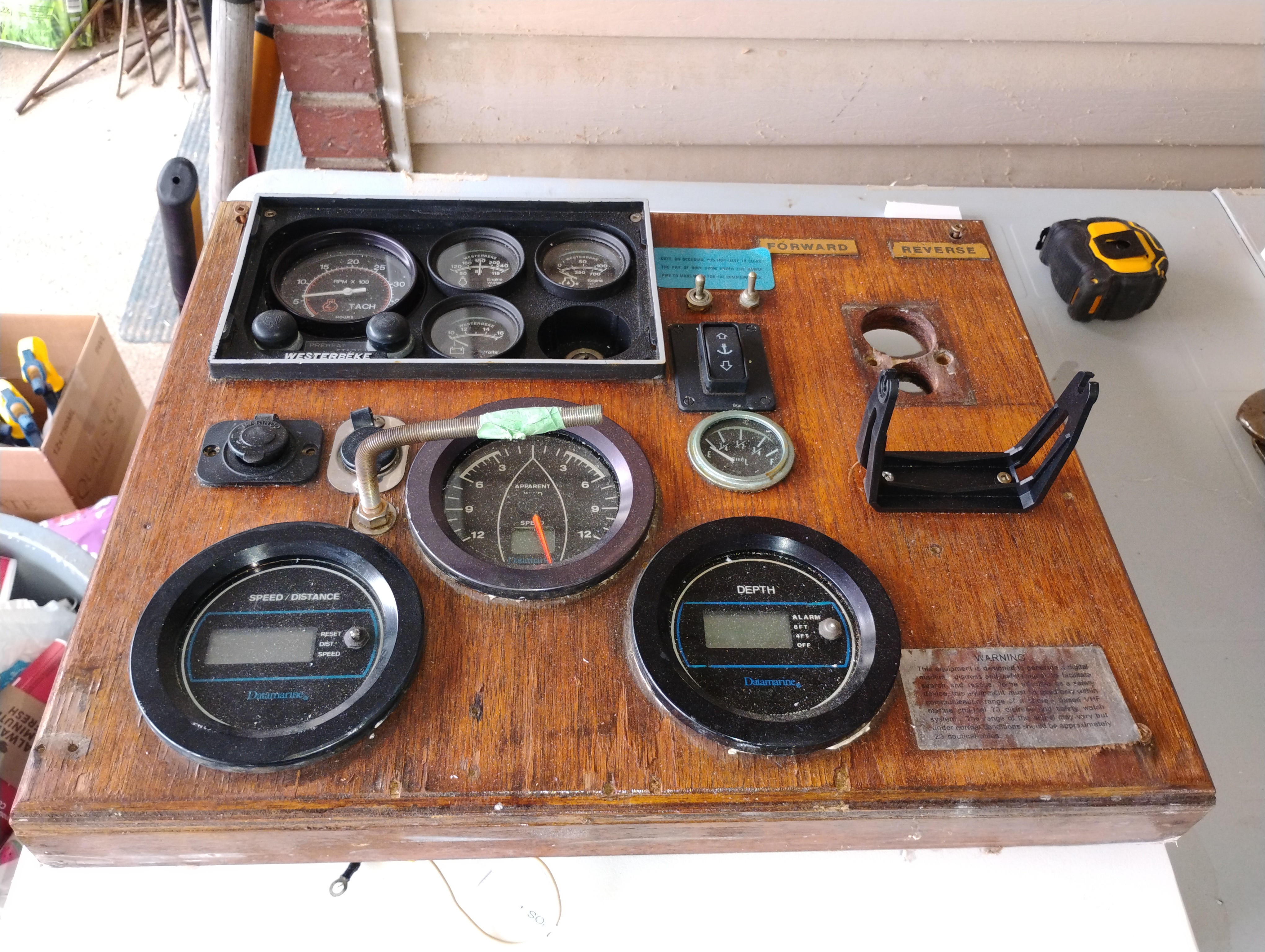
NMEA 2000 backbone refresh. If the existing network is 10+ years old with NMEA 0183 still hiding behind the panel, replacing it now is half the labor it'll be when something fails mid-season.
Breakers and switches. The 25-year-old toggle that “still works” usually has internal corrosion the meter can't see. Replace them while the panel is off.
Ground bus and wire labeling. Re-terminate to a clean bus, label every conductor, photograph the layout before reinstall. Future you (or whoever inherits the boat) saves hours every time something needs tracing.
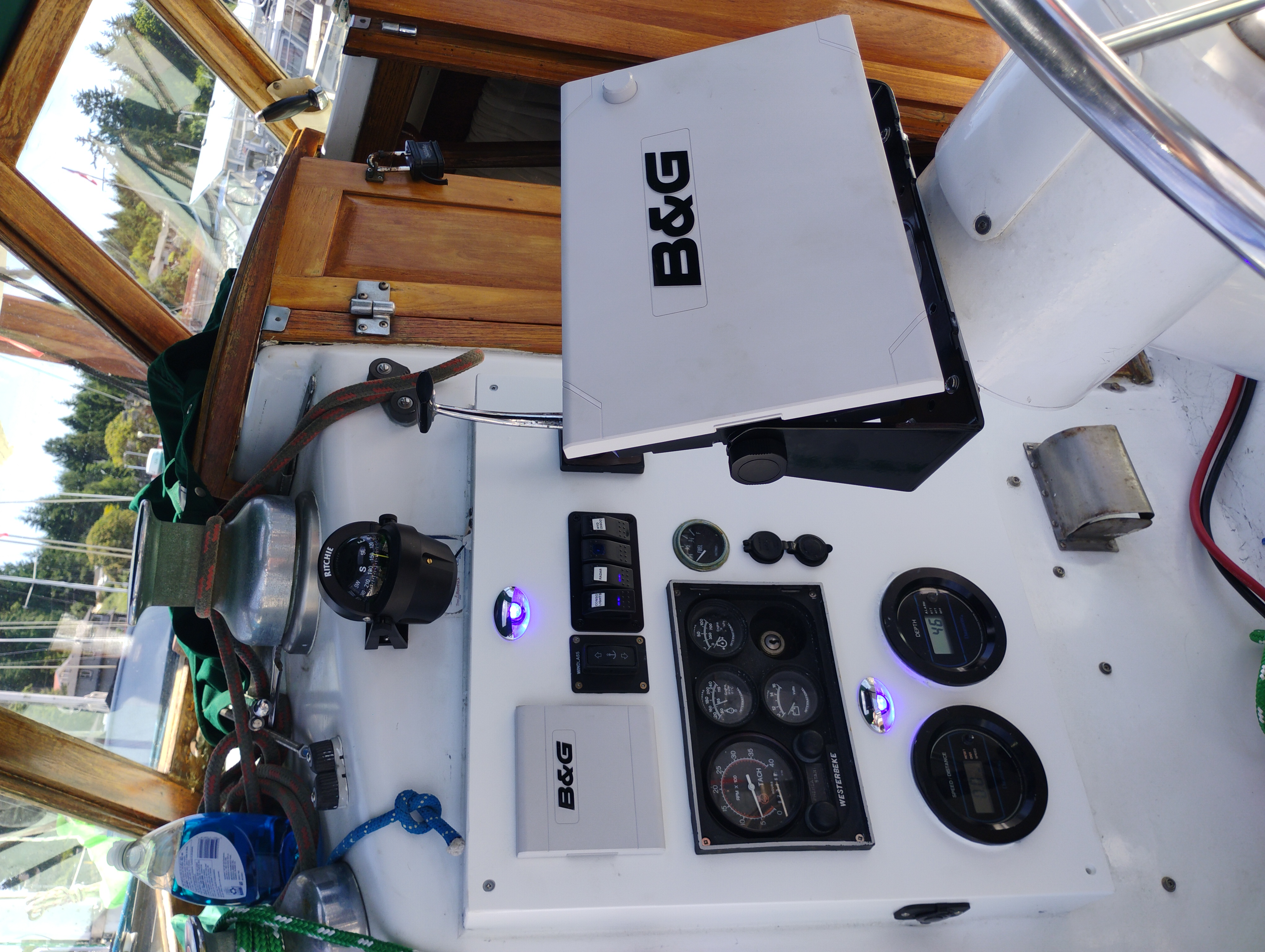
Add what's missing. USB charging outlets, accessory power, switched 12V — these get added later anyway, always at higher labor cost than now.
Replace adjacent failing parts. The old VHF that “still works” dies six months after the new chartplotter goes in, and now we're back at the helm charging another setup fee.
A second hour spent at the helm during an upgrade saves four hours across the next two seasons. NMEA-certified install + documented as-built diagram included.